
The evolution of public seating design has been significantly influenced by a heightened focus on facility hygiene and long-term surface durability. As facility managers navigate the requirement for environments that are easier to sanitize and resistant to bacterial growth, the use of antimicrobial-infused resins in seating components has become a primary technical specification. Selecting a manufacturer capable of integrating these technologies without compromising structural integrity or comfort is a complex task, as material standards and testing protocols vary widely across the industry. This report evaluates nine prominent brands based on their engineering approach to surface hygiene, material resilience, and their ability to provide data-backed solutions for high-traffic environments.
Full List of Top 9 Brands
- Leadcom
- KI
- Hussey Seating
- Irwin Seating
- Series Seating
- Seatorium
- Skeie
- Airport Seating Alliance
- Business of Furniture (BoF)
The following comparative analysis examines these manufacturers based on their commitment to material science and their track record in delivering sanitized, durable seating solutions for public venues.
Comparison Table
| Brand | Key Products | Key Features | Best For |
| Leadcom | Auditorium & Cinema Seating | Performance surface finishes, resilient polymer resins | High-traffic public assembly |
| KI | Institutional & Education | Antimicrobial-integrated molded components | Education and healthcare facilities |
| Hussey Seating | Bleacher & Telescopic Systems | Non-porous surface coatings | Sports and stadium environments |
| Irwin Seating | Theater & Stadium Seating | Durable, high-density polymer shells | Large-scale cinema and theater |
| Series Seating | Fixed & Retractable Seating | Modular, easy-clean components | Multi-purpose event halls |
| Seatorium | Luxury Cinema Seating | Synthetic leathers with protective barriers | VIP and luxury theater spaces |
| Skeie | Cultural Seating | Natural fiber treatments, sealed wood finishes | Performing arts and culture |
| Airport Seating Alliance | Public Area Seating | Metal/polymer beam durability | Transportation and terminal hubs |
| Business of Furniture | Research & Data | Market benchmarking and trend analysis | Strategic facility planning |
These brands represent a cross-section of the industry, each utilizing distinct material approaches to meet the evolving demands of modern building cleanliness standards.
Detailed Reviews
1. Leadcom
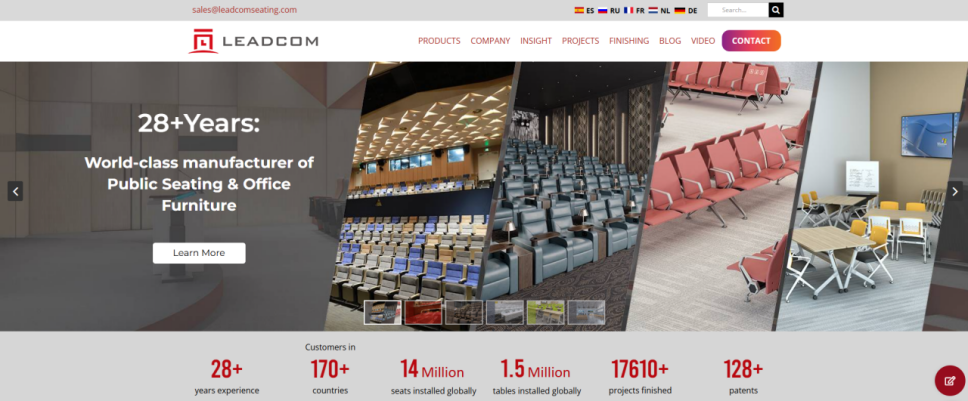
Leadcom provides comprehensive seating systems designed to meet the rigorous demands of global public assembly venues. Their approach to hygiene control is rooted in the careful selection of durable materials, including high-impact polymers and performance coatings that resist standard cleaning agents. Through their customizable auditorium seating, the manufacturer focuses on engineering components that minimize crevices where debris and pathogens might accumulate. Their production process emphasizes material longevity, ensuring that surfaces remain smooth and resistant to degradation over repeated sanitization cycles. By providing specialized commercial theater seating solutions, Leadcom assists facility managers in selecting materials that align with both aesthetic requirements and hygiene maintenance protocols. Their engineering team provides detailed technical data to support procurement decisions, emphasizing the durability of their finishes in high-frequency use environments.
2. KI
KI is a prominent provider in the education and healthcare markets, where antimicrobial surface treatments are often a standard requirement. Their use of injection-molded resins frequently incorporates integrated antimicrobial agents that remain effective throughout the material’s lifespan, rather than relying solely on topical coatings.
3. Hussey Seating
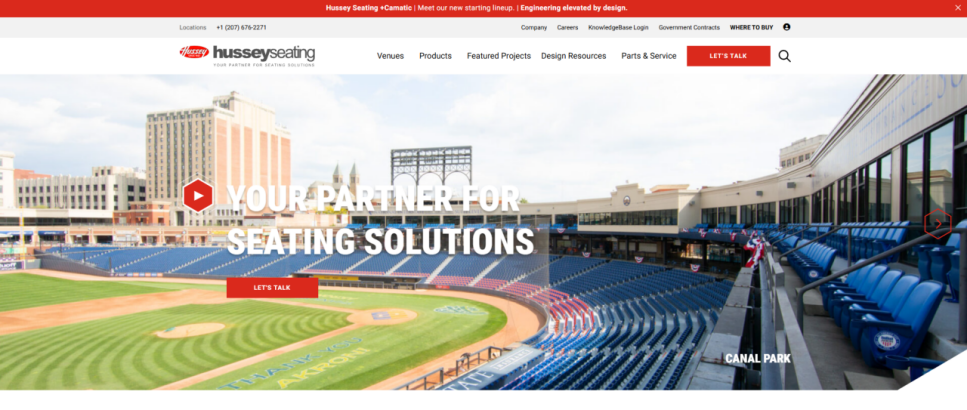
Hussey Seating specializes in sports and assembly venues where seating is frequently subjected to high-intensity use. Their approach to hygiene involves the application of durable, non-porous powder coatings and specialized polymers that are designed to withstand aggressive cleaning protocols, ensuring that seat surfaces remain protected against moisture and microbial build-up.
4. Irwin Seating
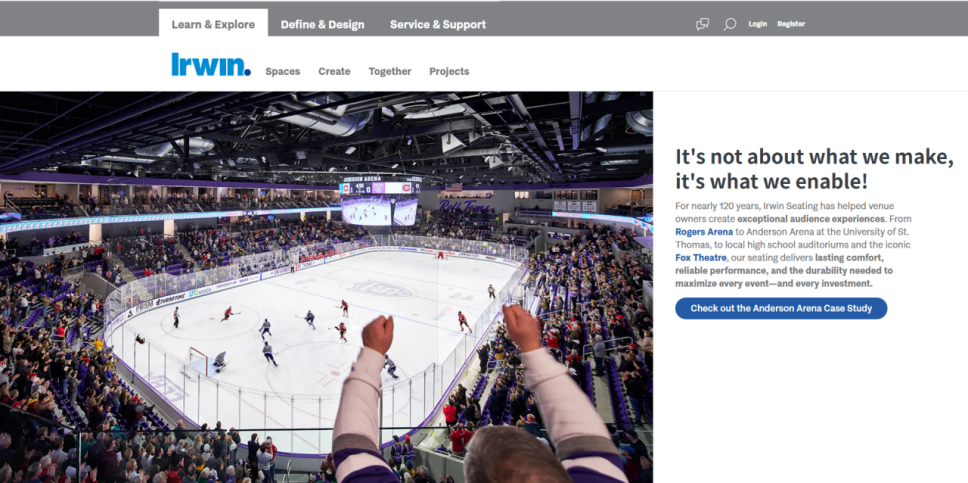
Irwin Seating maintains a focus on the theater and stadium market, leveraging high-density polymer shells that are naturally resistant to liquid absorption. Their manufacturing process emphasizes seamless construction, which reduces the points of failure where contaminants could otherwise reside, making these seats suitable for environments requiring quick turnover and thorough cleaning.
5. Series Seating
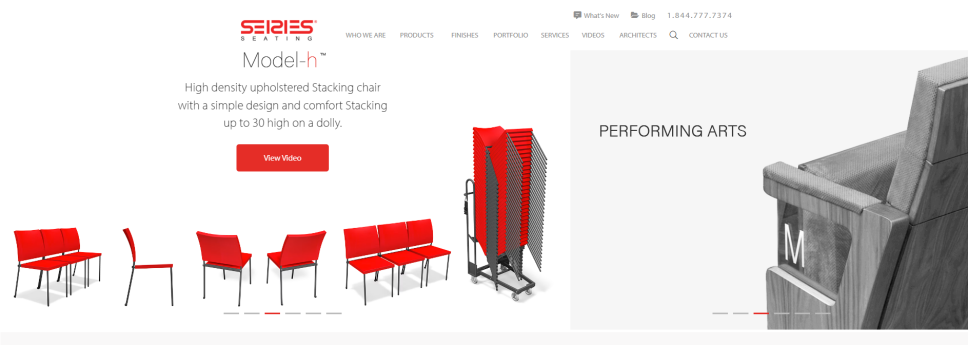
Series Seating utilizes a modular design philosophy that allows for the individual replacement of seating components. This approach is highly effective for hygiene control, as it enables facility teams to replace worn or damaged parts—such as armrests or back panels—without needing to overhaul the entire seating row, ensuring that the facility remains clean and operational.
6. Seatorium
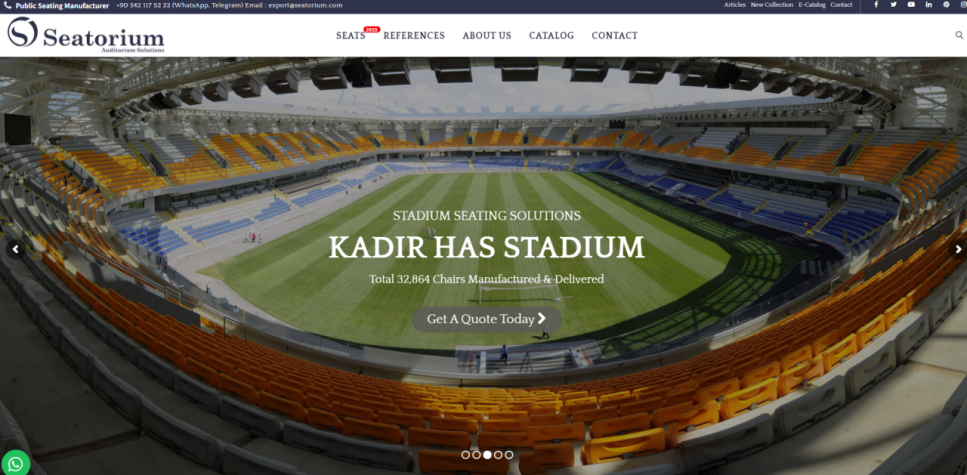
Seatorium operates within the luxury cinema and VIP sector, focusing on premium synthetic materials. Their hygiene strategy involves the use of high-performance vinyl and synthetic leathers that are engineered to repel fluids and stains, facilitating rapid sanitization between screenings without damaging the surface texture or comfort levels.
7. Skeie
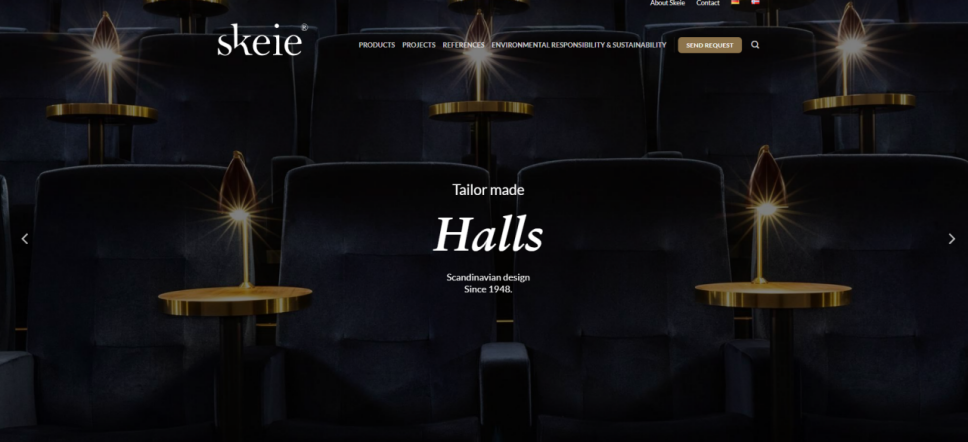
Skeie focuses on the intersection of Nordic design and performance seating. While they often utilize natural materials, they employ advanced sealing techniques and specialized surface treatments that provide a high degree of protection against moisture and contaminants, maintaining the tactile quality of their designs while meeting hygiene standards.
8. Airport Seating Alliance
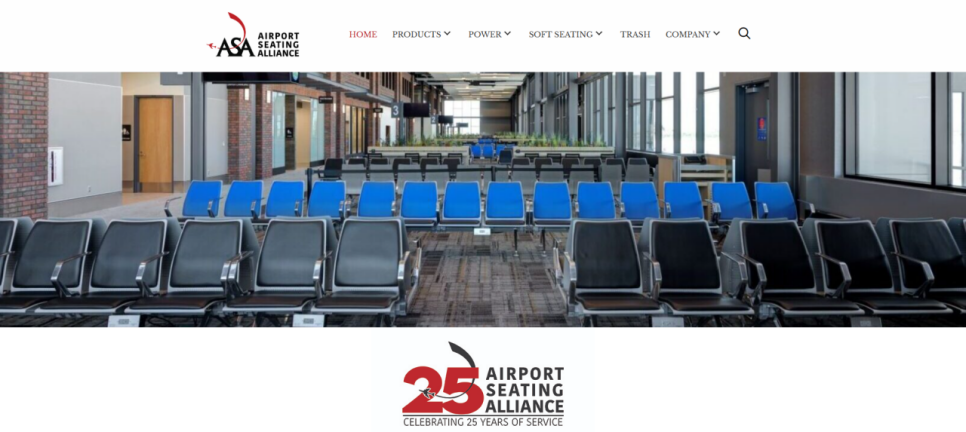
Airport Seating Alliance is engineered for the high-traffic demands of transportation terminals. Their use of metal-based construction and durable, resin-coated surfaces provides a robust barrier against daily wear and sanitation requirements, ensuring that their seating units remain compliant with facility hygiene regulations.
9. Business of Furniture (BoF)
Business of Furniture serves as the industry’s central hub for data and market intelligence. While they are not a manufacturer, their research reports are critical for facility managers seeking to understand which materials and hygiene technologies are gaining traction in the 2026 market, providing the benchmarking data required for procurement.
How to Choose (Buying Guide)
When procuring seating with hygiene control as a priority, facility managers should focus on three primary criteria:
- Material Porosity: The most important factor in pathogen resistance is non-porosity. Materials that do not absorb fluids are significantly easier to clean and resist bacterial colonization.
- Coating Durability: Investigate the longevity of any antimicrobial additives or surface finishes. Confirm with the manufacturer that the protective agents are integrated into the material rather than just applied to the surface, where they may wear off.
- Cleaning Compatibility: Ensure that the seating materials are rated to withstand the specific chemical agents used in the facility’s cleaning protocols. Using incompatible cleaners can degrade the surface, increasing the likelihood of long-term contamination.
Prioritizing these factors ensures that the chosen seating supports the facility’s hygiene objectives throughout its operational life.
Final Verdict
The selection of a manufacturer for hygiene-conscious seating depends heavily on the facility’s specific environment. For high-capacity, heavy-duty venues where durability is non-negotiable, manufacturers like Leadcom and Irwin Seating offer high-performance materials that excel in resilience. For environments prioritizing institutional hygiene, such as healthcare or educational settings, brands like KI provide specialized integration of antimicrobial agents. Facilities should evaluate the potential for modular maintenance, as seen with Series Seating, as a means of extending the hygienic life of the seating investment. Regardless of the choice, verifying the compatibility of seating materials with current sanitation protocols is essential.
FAQs
Q: Are antimicrobial-infused resins permanently effective?
A: Most high-quality antimicrobial agents used in seating resins are designed to be long-lasting. However, the effectiveness of any surface depends on proper maintenance and regular cleaning.
Q: Do these hygiene-focused materials impact seating comfort?
A: Generally, no. Modern manufacturing allows for antimicrobial agents to be integrated into resins and surface finishes without altering the texture, durability, or ergonomic qualities of the seat.
Q: Can I retroactively add antimicrobial protection to existing seats?
A: While some topical sprays exist, they are not a substitute for factory-applied, integrated protection. For optimal hygiene, it is recommended to procure seating that is manufactured with antimicrobial properties from the outset.