
The shift toward electric and intelligent transportation is changing how governments approach infrastructure planning. Charging networks, power systems, connected vehicles, battery technologies, and smart transportation platforms increasingly need to be considered as parts of one broader mobility ecosystem.
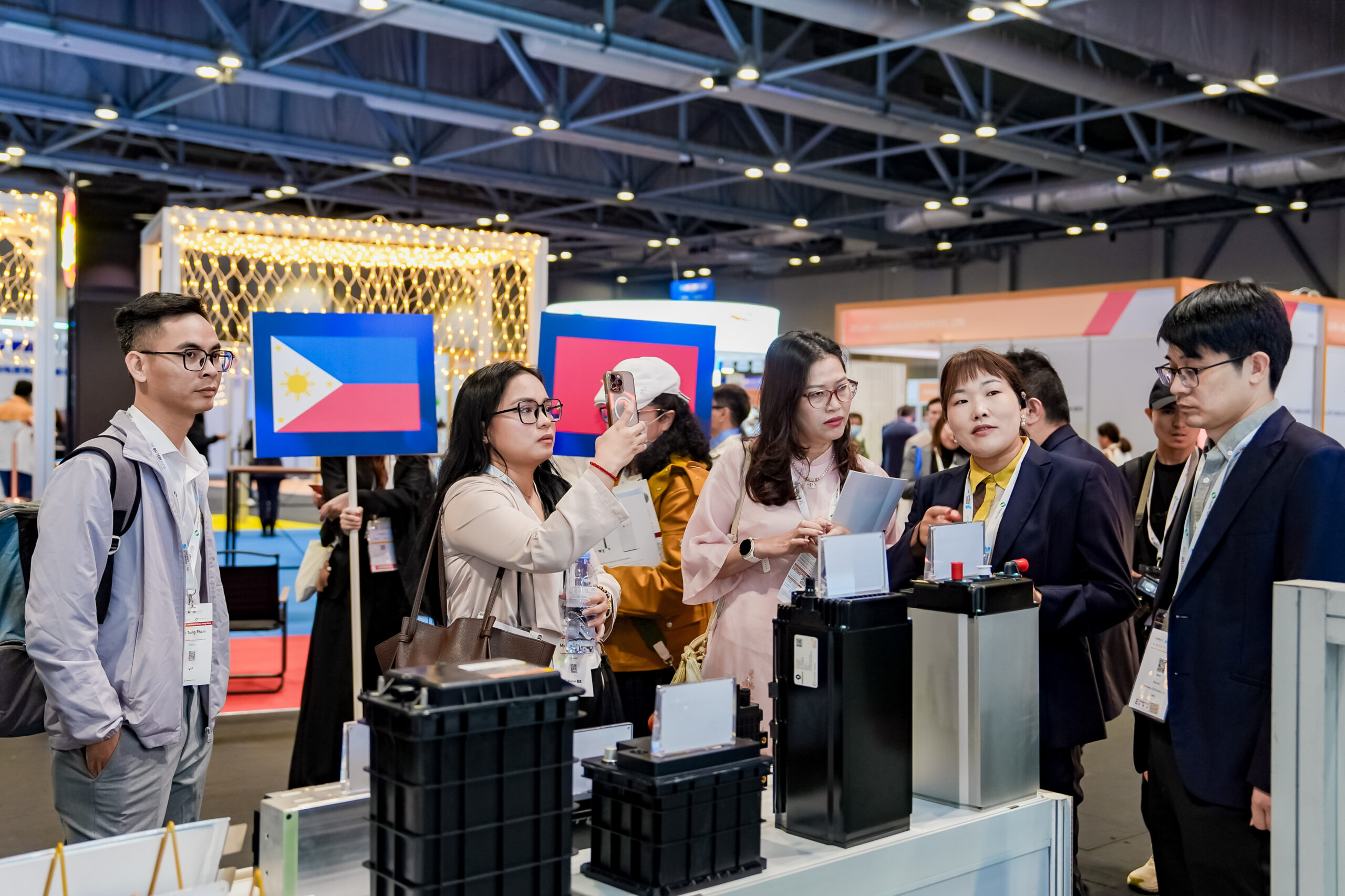
A mobility event can contribute to this process by bringing technology companies, vehicle manufacturers, infrastructure operators, policymakers, engineers, and investors into the same professional environment. Direct exposure to technologies and market developments can give decision-makers a clearer view of the infrastructure requirements emerging across different mobility applications.
Why Infrastructure Policy Needs Technology Insight
Policy decisions depend partly on understanding what technologies can realistically deliver. Electric vehicles require suitable charging infrastructure, while connected and autonomous mobility creates additional requirements for communications, digital platforms, data management, and intelligent traffic systems.
Mobility Tech Asia covers new-energy vehicles, charging and battery-swapping infrastructure, electric drivetrains, autonomous driving, smart transportation, and related digital technologies. This broad scope gives policymakers and infrastructure planners an opportunity to examine how different technologies may affect future transportation networks.
A specialist battery exhibition can provide another perspective by connecting battery technologies with their downstream applications. This helps infrastructure discussions move beyond vehicle adoption rates toward questions of system capacity, compatibility, and long-term deployment.
Charging Infrastructure Shapes Mobility Policy
The expansion of electric mobility depends heavily on charging infrastructure. Different vehicle types and operating environments can require different charging solutions, from passenger-car charging to high-power systems for commercial fleets.
The Battery Show Asia includes charging equipment and infrastructure within its wider event ecosystem. Mobility Tech Asia also covers fast and ultra-fast charging, charging stations and modules, battery swapping, wireless charging, and smart charging operation technologies.
These developments can influence policy discussions around charging standards, infrastructure investment, grid connections, interoperability, and access. Technology demonstrations can help decision-makers compare approaches before establishing long-term infrastructure frameworks.
Grid Integration Connects Transport With Energy
Vehicle electrification increasingly links transportation policy with energy policy. Large charging networks can affect electricity demand, while energy storage and smart management systems can help coordinate power consumption.
The Battery Show Asia brings battery manufacturing, energy storage, power and energy, and new-energy mobility into one event platform. The 2026 edition featured more than 200 exhibitors presenting over 1,000 technologies and products across these sectors.
This cross-sector structure is useful for infrastructure planning because transportation systems cannot always be developed independently from electricity generation, distribution, and storage.
Standards Become More Important as Systems Connect
Infrastructure only works effectively when different technologies can communicate and operate together. Charging interfaces, vehicle communication, safety requirements, and digital platforms all depend on appropriate technical standards.
The Battery Show Asia’s conference framework includes policy, regulation, and global standards as one of its major areas of discussion. Its conference platform brings together industry leaders, technology innovators, end users, policymakers, and investors to address market development and technology commercialization.
A battery exhibition combined with policy-focused technical discussion can therefore provide a useful setting for identifying areas where technology development and regulatory frameworks need better alignment.
Autonomous Mobility Creates New Infrastructure Needs
Infrastructure policy is no longer limited to physical roads, parking areas, and charging stations. Autonomous and connected vehicles introduce requirements for sensing, communications, cybersecurity, traffic data, and intelligent transportation management.
Mobility Tech Asia includes autonomous driving, automotive electronics, smart mobility, intelligent transportation, Internet of Vehicles technologies, and digital solutions.
These technologies may influence future policy decisions concerning connected infrastructure, data security, communication networks, and intelligent traffic management. Industry events allow policymakers to see how these systems are developing before infrastructure requirements become fixed.
Battery Recycling Adds a Lifecycle Perspective
Infrastructure planning also needs to consider what happens after batteries leave their original applications. Collection, refurbishment, second-life use, and recycling can affect the wider sustainability of electric mobility.
The Battery Show Asia identifies battery recycling and raw-material reuse, battery refurbishment and remanufacturing, second-life applications, and circular-economy solutions among its industry categories.
This broader lifecycle perspective can inform policy related to producer responsibility, material recovery, battery handling, and circular supply chains. As battery deployment grows, these issues are likely to become increasingly connected with transportation and environmental policy.
International Participation Supports Policy Comparison
Infrastructure challenges differ from one market to another, but international participation makes comparison easier. Governments and businesses can observe how different regions approach charging, energy integration, vehicle adoption, and technology standards.
The Battery Show Asia 2026 attracted 15,367 professional buyers from 103 countries and regions. International buyers accounted for 62.1% of attendees, while the event welcomed more than 100 international buyer groups.
Such international participation creates opportunities to exchange practical experiences and identify common infrastructure challenges across regions.
Industry Dialogue Can Improve Policy Decisions
Policy development benefits when government perspectives are connected with engineering and commercial realities. Manufacturers understand product capabilities, infrastructure operators understand deployment challenges, and policymakers understand regulatory priorities.
The 2026 edition of The Battery Show Asia delivered 147 high-level sessions featuring 132 industry leaders and technical experts. Topics ranged from battery breakthroughs and energy storage to e-mobility technologies, market trends, policy interpretation, and industry developments.
This type of dialogue can help identify gaps between current infrastructure frameworks and emerging technology requirements.
The Battery Show Asia as a Policy and Industry Platform
The Battery Show Asia combines battery technology, energy storage, power and energy, and new-energy mobility within one international platform. Its 2027 program is expected to bring more than 25,000 qualified professionals and buyers, 350+ exhibitors, 200+ expert speakers, and 150+ hours of educational sessions.
The event also emphasizes international buyer participation and senior-level engagement. This makes it relevant to organizations examining infrastructure investment, technology partnerships, market development, and policy trends at the same time.
From Technology Exhibition to Infrastructure Strategy
The influence of a mobility event on infrastructure policy is not necessarily direct. Industry exhibitions do not establish regulations, but they can provide technical evidence, market intelligence, and opportunities for dialogue that inform future decisions.
As transportation becomes more connected to batteries, electricity, software, and intelligent systems, policy must address these relationships more comprehensively. The Battery Show Asia offers a setting where those connections can be examined across multiple parts of the value chain.
The next edition will take place at AsiaWorld-Expo in Hong Kong from July 14–16, 2027, alongside Energy Storage & Power Asia and Mobility Tech Asia.
The long-term impact of such events lies in connecting industry knowledge with infrastructure planning. When policymakers and technology stakeholders understand the same technical developments, emerging challenges can be identified earlier and infrastructure strategies can be designed with greater awareness of how mobility, energy, and digital systems are evolving together.