
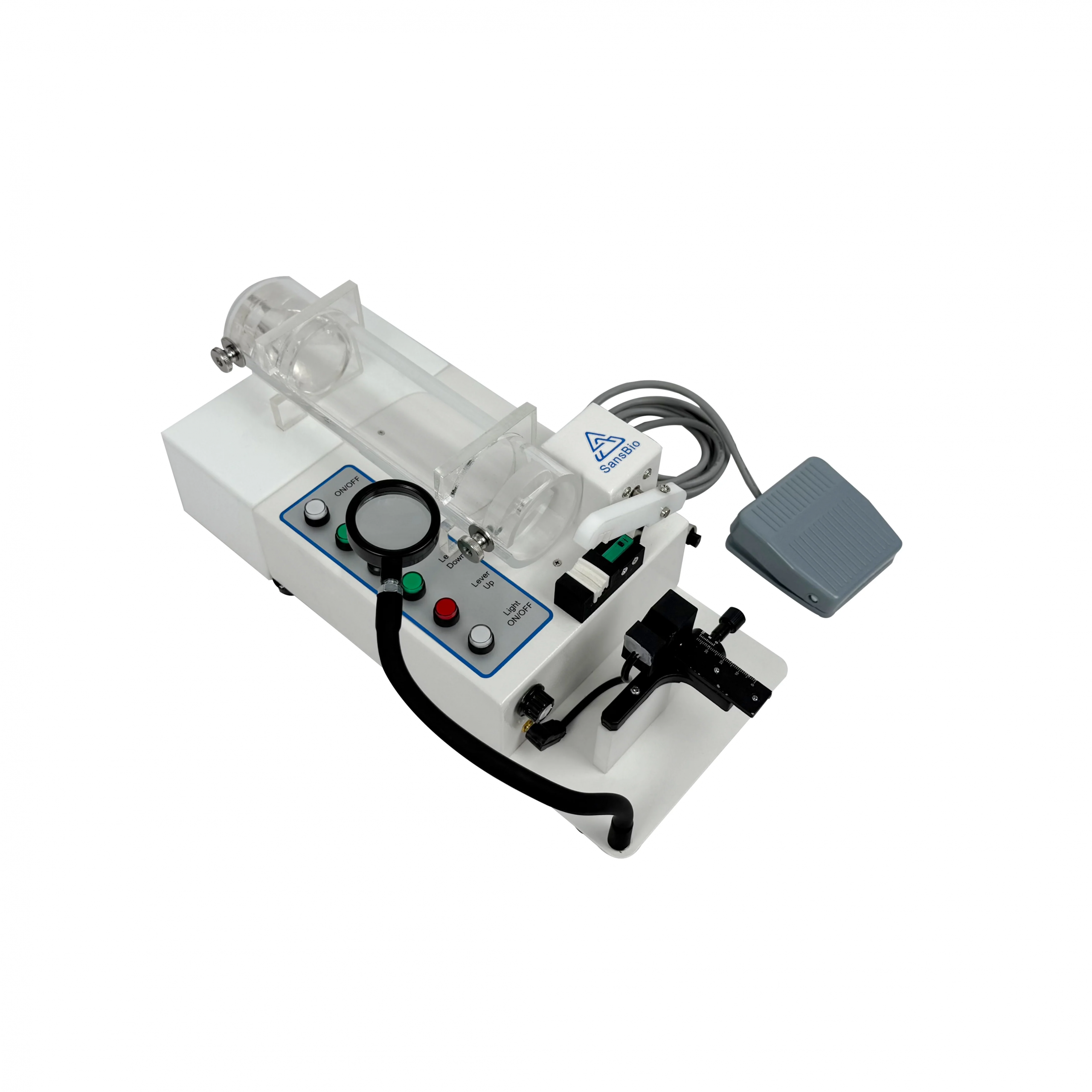
Precision remains the cornerstone of any rigorous study involving animal behavior research. They at BPLabLine emphasize that the reliability of force measurements depends heavily on the consistent accuracy of the hardware used. For any mouse grip strength meter, calibration is not a one-time setup but a recurring necessity that ensures every Newton of force recorded is biologically relevant and statistically sound. Without these regular checks, the data collected during animal behavior research could suffer from sensor drift or electronic fatigue, compromising the entire experimental outcome.
Pre-Trial Validation Protocols
Before initiating a new cohort in animal behavior research, they recommend performing a full span calibration. This process involves using certified weights to confirm that the mouse grip strength meter correctly translates physical tension into digital data points. Since sensitive strain gauges can be affected by ambient temperature or physical movement, this initial verification creates a solid baseline for the study. They suggest that for long-term projects, a re-calibration should occur at the start of every week to maintain data integrity throughout the mouse grip strength meter usage.
Daily Operational Adjustments
Maintaining high-resolution data during active testing phases requires attention to the “auto-zero” functions of the mouse grip strength meter. They advise that the device must be tared before every individual trial to eliminate any residual force from the grasping grid or trapeze bar. In the context of intensive animal behavior research, where dozens of subjects are processed in a single session, these micro-adjustments prevent the accumulation of measurement errors. This level of detail ensures that a mouse grip strength meter captures the true physiological peak force of the subject rather than background noise.
Environmental and Usage Factors
The frequency of service often depends on the specific laboratory environment and the physical handling of the equipment. They note that if a mouse grip strength meter is moved between different experimental rooms, the risk of mechanical misalignment increases significantly. Furthermore, exposure to high humidity or chemical cleaners can impact the sensitivity of the sensors used in animal behavior research. They propose a secondary calibration if the apparatus has been exposed to significant debris or if the mouse grip strength meter has been stored for an extended period.
Consistent attention to these maintenance schedules helps researchers maintain the high-quality data necessary for evaluating neuromuscular health. By adhering to these rigorous standards, they ensure that the mouse grip strength meter remains a dependable tool for all facets of animal behavior research.