
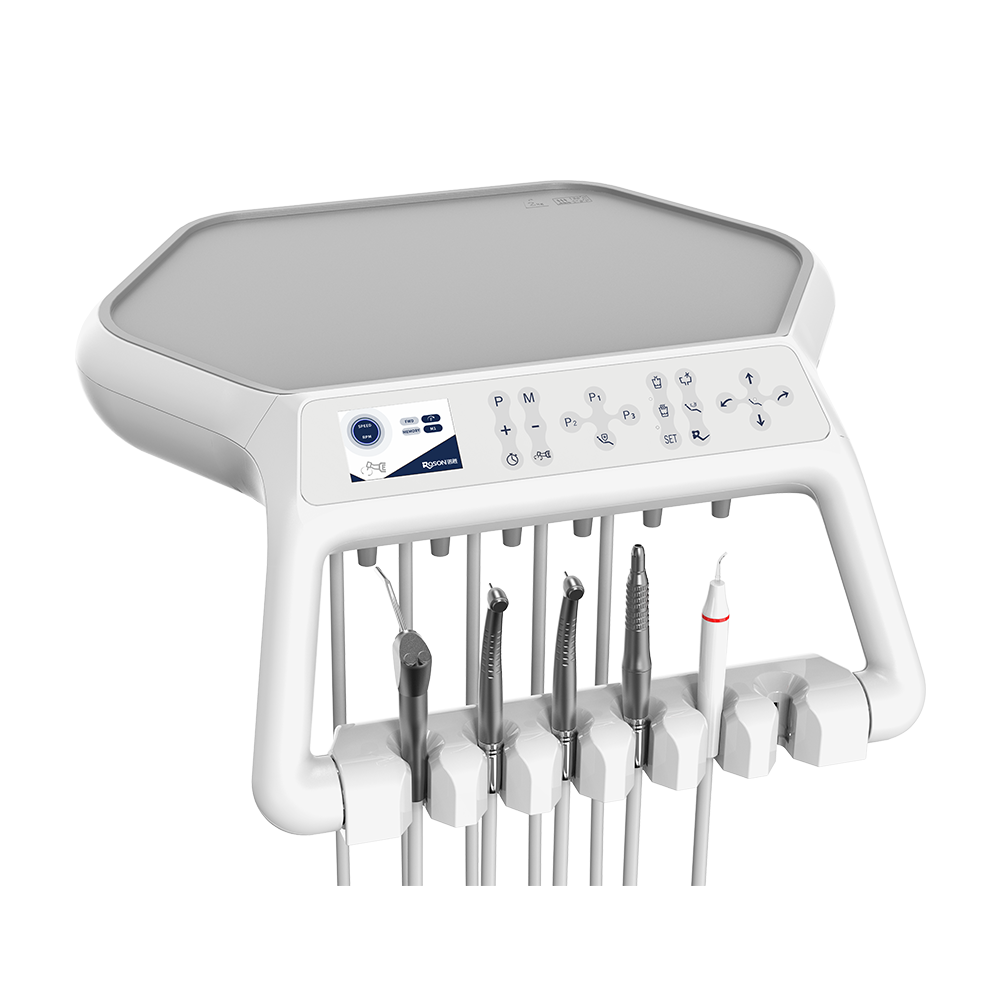
Modern dental clinics rely on advanced equipment to improve treatment efficiency, patient comfort, and clinical safety. Among all essential devices, dental units serve as the central platform that integrates multiple functions, including treatment control, instrument management, patient positioning, and workflow support. Understanding the technology behind these systems helps clinics and distributors make better purchasing decisions.
A professional dental unit is not simply a chair with attached instruments. It is a carefully engineered medical device that combines mechanical structures, electrical systems, control technology, and ergonomic design. For buyers evaluating a dental unit for sale, understanding these technologies is important for selecting equipment that can support long-term clinical operations.
Integrated Design and Functional Technology of Dental Units
The foundation of modern dental units is an integrated system design that connects different treatment components into one coordinated workspace. These systems typically include the patient chair, delivery system, operating light, instrument holders, control panels, and assistant-side functions. The integration allows dentists to complete procedures more efficiently without unnecessary movement.
One important advantage of advanced dental units is centralized control technology. Digital control systems allow operators to adjust chair positions, manage treatment functions, and access operational settings more conveniently. This improves consistency during procedures and helps create a more organized dental environment.
For clinics planning to invest in equipment, the structure of dental units should be evaluated carefully. Stable mechanical components, reliable electrical systems, and smooth operation are essential factors because dental equipment is expected to perform continuously for many years.
Ergonomic Engineering for Better Clinical Workflows
Ergonomics has become a major consideration in modern dental equipment design. Dentists often perform procedures that require precise movements and extended working periods, making workspace organization directly connected to operational efficiency and physical comfort.
Advanced chair positioning technology allows dentists to adjust patient height and angle according to different treatment requirements. A properly designed treatment area reduces unnecessary stretching and improves access to the oral cavity. This approach supports a more comfortable working posture for dental professionals.
When evaluating a dental unit for sale, clinics should consider how the equipment supports daily workflows. Features such as flexible instrument positioning, convenient assistant access, and optimized working space can influence both treatment efficiency and user experience.
Smart Control Systems and Equipment Reliability
Technology development has improved the intelligence and reliability of dental treatment systems. Modern equipment uses electronic control modules to coordinate different functions, creating smoother operation and easier management. These systems reduce complexity and help dental professionals focus more on patient care.
Manufacturing quality is also an important factor behind equipment reliability. Professional dental equipment manufacturers usually apply strict production management systems to ensure that each component meets required performance standards. Quality inspection, assembly accuracy, and component tracking help maintain consistent product performance.
Roson focuses on developing dental equipment solutions that combine functional integration with reliable manufacturing processes. Through careful engineering and production management, the company supports clinics seeking dependable equipment for professional environments.
Material Selection and Manufacturing Quality Control
The durability of dental equipment depends heavily on material selection and manufacturing processes. High-quality materials are needed for components that experience frequent use, movement, and exposure to cleaning procedures. Strong mechanical structures and reliable surface materials contribute to long-term performance.
Healthcare equipment manufacturing requires strict attention to quality control. Production processes must ensure that components work together accurately and safely. Traceability systems are especially valuable because they allow manufacturers to monitor component sources, production stages, and quality inspection records.
For buyers researching dental units, understanding manufacturing quality provides valuable insight beyond product appearance. Equipment that is produced under controlled processes can offer better reliability and reduce potential maintenance challenges during daily clinic operations.
Selecting the Right Dental Unit Technology for Clinics
Choosing dental equipment requires more than comparing prices or external designs. Clinics should evaluate how the technology matches their treatment requirements, available workspace, and future development plans.
Before purchasing, buyers should consider several factors, including operational flexibility, maintenance requirements, user comfort, and manufacturer support. A well-designed dental system should adapt to different procedures while maintaining stable performance over time.
For distributors and clinic owners searching for a dental unit for sale, understanding the technical structure behind the equipment can improve purchasing confidence. A detailed evaluation of functions, manufacturing standards, and workflow benefits helps ensure that the selected solution provides practical value.
The Role of Innovation in Future Dental Equipment Development
The dental industry continues to move toward smarter, more efficient, and more ergonomic treatment environments. Future equipment development will likely focus on improving digital integration, enhancing user experience, and creating more flexible clinical solutions.
Dental equipment manufacturers are increasingly focused on balancing advanced technology with practical usability. Innovation is valuable only when it helps professionals work more efficiently and provides reliable support during patient care.
Roson continues to explore equipment improvements by combining engineering expertise with practical clinic requirements. The company’s approach emphasizes creating solutions that support modern dental professionals and evolving healthcare environments.
Making Informed Decisions Through Technology Understanding
Understanding the technology behind dental equipment allows clinics and distributors to make more informed investment decisions. From integrated control systems and ergonomic design to manufacturing quality and workflow optimization, every technical element influences equipment performance.
Modern dental units represent the combination of engineering, healthcare requirements, and user-centered design. Buyers who understand these technologies can better identify equipment that meets current needs while supporting long-term clinical development.
When evaluating available options, focusing on technology, reliability, and practical application is essential. A carefully selected system can become a valuable foundation for efficient dental services and improved professional workflows. Roson provides dental equipment solutions designed around these principles, helping dental professionals create reliable and effective treatment environments.