
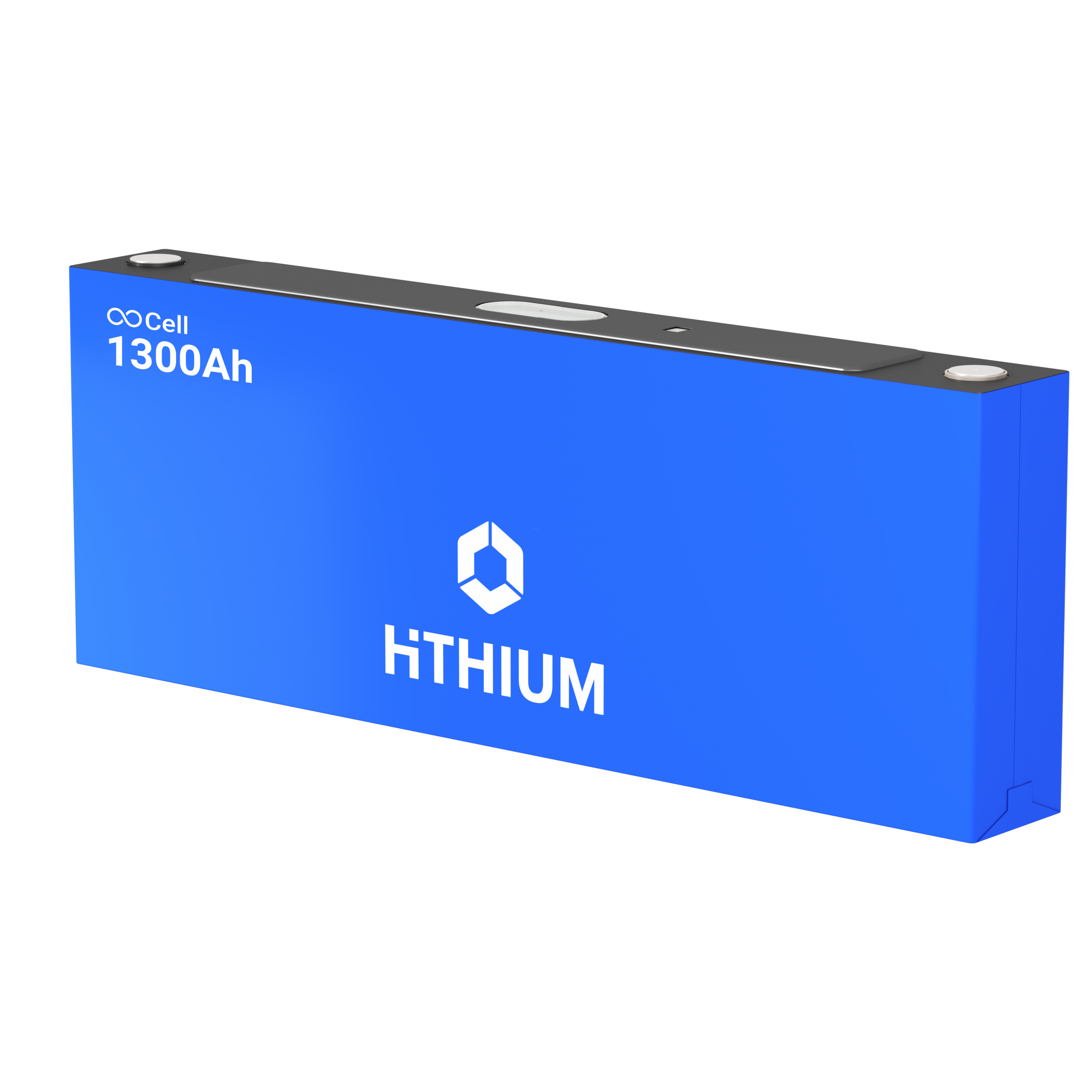
As energy storage systems become increasingly integral to modern power infrastructure, the emergence of new battery technology is reshaping how organizations approach performance, safety, and lifecycle management. Across utility-scale storage, commercial facilities, and industrial operations, lithium battery technology continues to evolve beyond incremental improvements, focusing instead on material-level innovation and system reliability. Companies such as HiTHIUM are contributing to this transition by advancing core battery components and engineering approaches that align with long-term operational requirements.
Material Innovation Driving Performance and Safety
The foundation of new battery technology lies in the continuous refinement of electrode materials. In lithium iron phosphate (LFP) cathodes, advanced approaches based on first-principles reconstruction are enabling improved safety and electrochemical stability. Techniques such as multi-element doping, ionic conductor coating, and particle size control enhance ion diffusion while maintaining structural integrity during repeated cycling.
On the anode side, innovations focus on synergistic regulation of graphitization degree, surface defect engineering, and multi-scale grain structures. These methods reduce structural inconsistencies and limit defect formation, which are key factors affecting degradation. As a result, lithium battery technology achieves longer service life and more stable performance under demanding operating conditions.
Structural Enhancements and Intrinsic Safety Mechanisms
In addition to material advancements, new battery technology is progressing through improvements in cell structure and safety components. One notable development is the application of ceramic-coated separators, which address limitations in conventional separator designs.
These separators exhibit enhanced thermal stability by enabling low-temperature pore closure while maintaining integrity at higher temperatures. This increases the threshold for thermal runaway and reduces heat generation caused by internal reactions. Consequently, lithium battery technology incorporating such designs demonstrates improved intrinsic safety characteristics, which are critical for high-density and large-capacity energy storage systems.
Structural innovations also contribute to overall system reliability by minimizing the likelihood of failure under varying environmental and operational conditions. By adopting these advanced separator technologies, manufacturers such as HiTHIUM are reinforcing safety performance while supporting higher energy density configurations.
Advancing Toward Reliable and Scalable Energy Storage Systems
The rise of new battery technology reflects a broader industry shift toward more resilient and efficient energy storage solutions. Through coordinated progress in materials engineering, structural design, and safety mechanisms, lithium battery technology is better positioned to meet the demands of modern energy systems.
These advancements enable longer operational lifetimes, improved safety performance, and more consistent system behavior. As companies like HiTHIUM continue to refine these technologies, energy storage solutions are becoming increasingly capable of supporting complex and large-scale applications, forming a stable foundation for future energy infrastructure.