
When industrial projects require power generation equipment, buyers usually consider various factors before selecting suitable components. The price of an alternator is not only related to its output capacity but also affected by materials, manufacturing standards, certification requirements, and supply arrangements. As a key component that converts mechanical energy into electrical energy within a generator system, an alternator requires careful evaluation based on application conditions and project demands.
Power Output And Voltage Specifications Affect alternator wholesale Pricing
Power range and voltage level are important factors that influence alternator pricing. Industrial applications often require different electrical outputs depending on equipment loads, operating environments, and system designs. Higher power capacity generally requires stronger structural components, larger electrical parts, and more complex manufacturing processes.
When buyers compare alternator wholesale options, they should first confirm the required power range instead of focusing only on the purchase quotation. A properly selected capacity can help avoid unnecessary investment caused by oversized equipment while preventing performance issues caused by insufficient output.
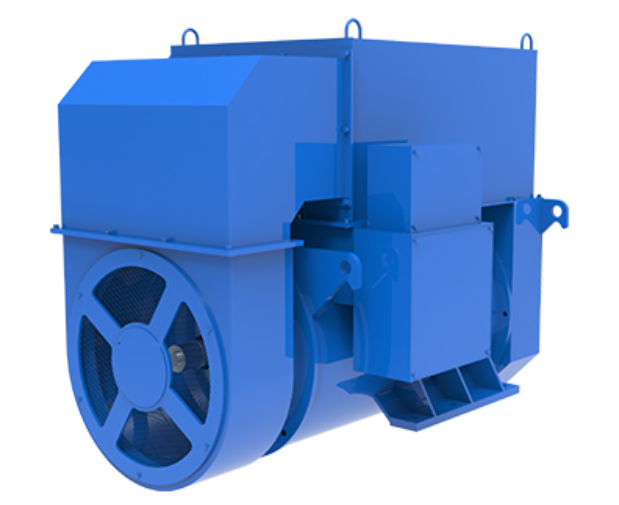
EvoTec Power provides alternator solutions for industrial applications, including the IP55 Special Customized Generator TCU428F. This model offers a power range of 125–4375kVA, voltage options of 400/480V, frequency support of 50/60Hz, and a 4-pole design. The product is developed as an alternator component used in generator systems rather than a complete generator set.
Material Quality Shapes Product Cost And Performance
Material selection directly affects manufacturing costs and operational reliability. Industrial alternators usually operate under demanding conditions, so manufacturers need to consider electrical efficiency, temperature resistance, and structural stability during production. Core materials such as high-temperature resistant copper wire, high silicon steel sheets, and H-class insulation systems play important roles in product design.
Copper wire with strong temperature resistance helps maintain electrical conductivity during continuous operation. High silicon steel sheets support magnetic performance inside the core structure and help reduce energy loss. H-class insulation systems are commonly selected for applications requiring higher temperature tolerance.
For buyers evaluating an OEM alternator, understanding material configuration is an important part of procurement decisions. Different working environments may require different material combinations, and the selected configuration can influence both initial costs and long-term maintenance requirements.
Certification Requirements Influence Industrial Alternator Investment
Certification standards are another factor affecting alternator pricing, especially for international projects and specialized industries. Marine applications, industrial facilities, and export markets may require specific compliance documents and testing procedures. These requirements can increase production complexity because manufacturers need to complete additional inspections and quality management processes.
EvoTec Power focuses on alternator research and manufacturing with independent development capabilities. They have developed patented designs and provide products for industrial, marine, high-voltage, and customized applications. Their compact structure design helps reduce installation space requirements while supporting practical equipment integration.
The IP55 Special Customized Generator TCU428F includes additional marine varnish treatment for moisture resistance, mould protection, and anti-fogging performance. These design considerations are useful for environments where equipment may face humidity or changing temperature conditions. Certifications such as ship classification approvals, UL standards, and ISO systems can also influence the overall production cost.
Bulk Purchasing And Delivery Planning For B2B Projects
For B2B buyers, purchasing volume and project schedules can affect the final cooperation conditions. Large quantity orders usually require manufacturers to arrange production resources, material preparation, and quality inspection processes in advance. Therefore, procurement discussions often include both pricing and delivery planning.
Companies searching for an OEM alternator may need customized specifications, including voltage adjustments, structural requirements, and application-based modifications. EvoTec Power supports customized alternator production for different industrial scenarios, helping customers match product designs with their project requirements.
Delivery time is also an important consideration during equipment procurement. Delays in component supply may influence installation plans and project completion schedules. When discussing alternator wholesale purchasing, buyers usually evaluate production capability, communication efficiency, customization support, and delivery arrangements together.
Cost Balance Between Initial Budget And Long-Term Operation
Selecting an alternator requires a balance between purchase budget and long-term operating needs. A lower initial price may not always match the technical requirements of industrial projects. Buyers should review output specifications, material quality, certification requirements, and supplier experience before making purchasing decisions.
EvoTec Power provides alternator products covering industrial, high-voltage, marine, and special customized applications. They offer solutions such as the IP55 Special Customized Generator TCU428F, which features a compact dimension design, improved ventilation, and a structure developed for practical installation needs.
For businesses requiring an OEM alternator, cooperation with an experienced manufacturer can provide more flexibility during project planning. Evaluating total ownership factors, including maintenance expectations, operating conditions, and delivery reliability, helps buyers achieve a better balance between initial investment and stable long-term performance. This approach allows industrial projects to control costs while selecting suitable alternator solutions for future operation.