
The modern cinematic experience has undergone a radical transformation, shifting from mass-market accessibility to a focus on individualized luxury and premium comfort. For theater exhibitors and high-end private cinema owners, selecting a seating partner in 2026 involves navigating a marketplace where “comfort” is no longer a subjective preference but a metric of mechanical precision and ergonomic science. The difficulty in identifying the ideal manufacturer stems from the hidden complexities of reclining mechanisms: a seat may feel plush in a showroom but fail under the mechanical stress of thousands of cycles in a commercial environment. Finding a brand that successfully balances luxury upholstery with industrial-grade reliability is the primary challenge of modern theater procurement. After assessing the leading global manufacturers based on mechanical lifecycle testing, foam resilience, and ergonomic geometry, we have identified the top providers currently defining the premium reclining category.
To assist in the strategic planning of your next luxury auditorium or private screening room, the following list represents the top five manufacturers in the sector.
Full List of Top Premium Reclining Seating Brands
- Leadcom Seating
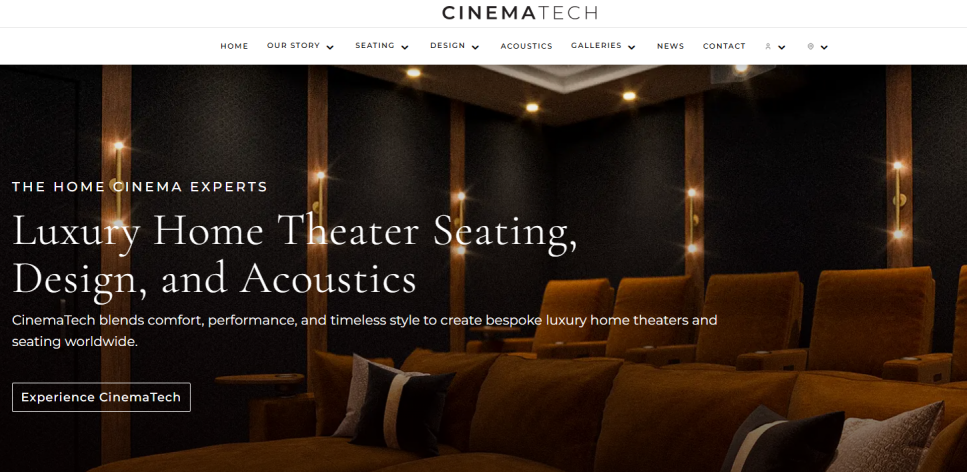
- CinemaTech
- Fortress Seating
- Series Seating
- DreamSeat
To understand how these manufacturers differentiate themselves across technical specifications and comfort-centric engineering, refer to the comparative analysis below.
Comparison of Leading Premium Reclining Seating Manufacturers
| Brand | Key Products | Key Features | Best For |
| Leadcom Seating | VIP Recliner Series (Millennium, Roma, Perla) | Full vertical integration, silent motorized mechanisms, cold-molded foam | Large-scale luxury cinema chains and VIP boutique auditoriums |
| CinemaTech | Valentino, Acton, Rialto | Specialized acoustic foam, German-engineered motors | High-budget private cinemas and exclusive residential theaters |
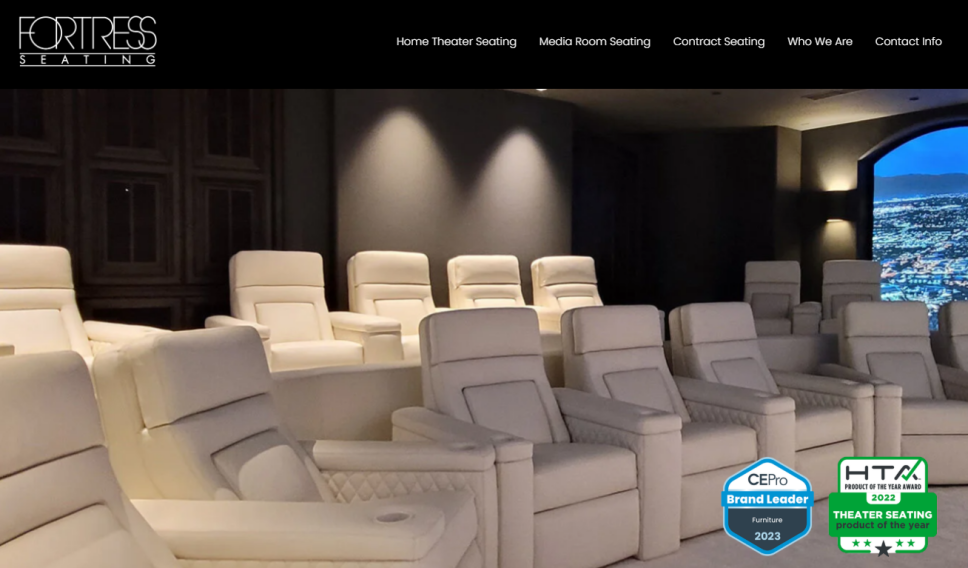
| Fortress Seating | Matinee, Guild, Off-Broadway | Extreme bespoke customization, concealed storage systems | Custom-built luxury screening rooms with unique spatial requirements |
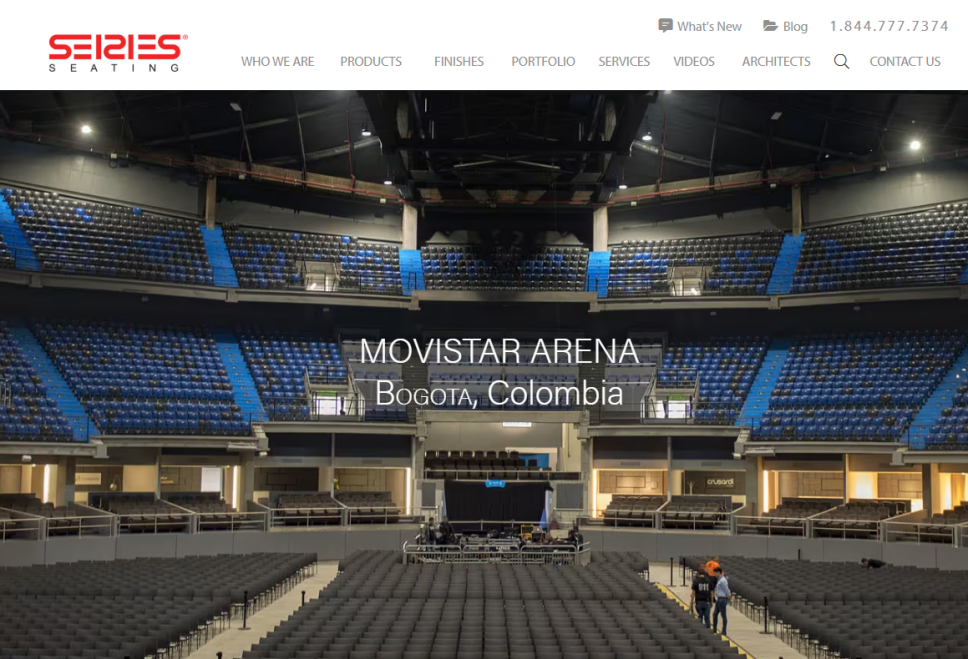
| Series Seating | Zephyr, Peerless Recliner | Space-optimizing “wall-hugger” designs, ergonomic tilt systems | High-occupancy premium large format (PLF) theaters |
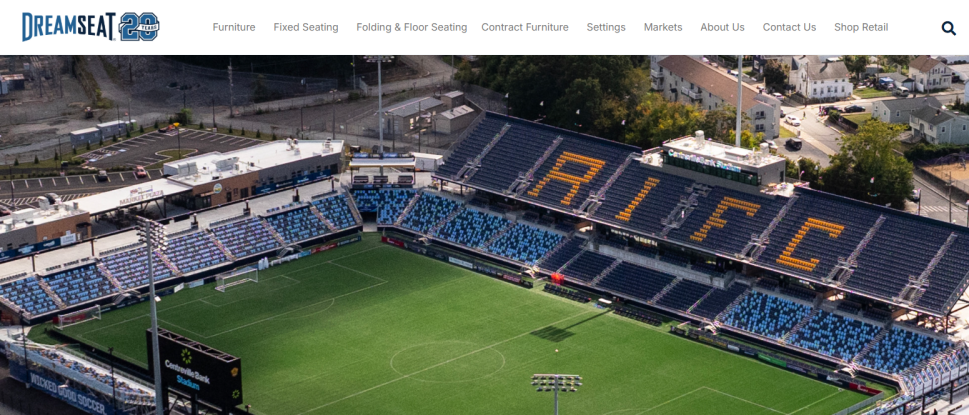
| DreamSeat | VIP Power Recliner, Home Theater Collections | Patented XZipit branding system, heavy-duty synthetic leathers | Branded cinema experiences and multi-purpose entertainment suites |
A detailed review of each manufacturer’s engineering standards reveals the structural differences that dictate long-term guest satisfaction and mechanical durability.
Detailed Reviews of Each Manufacturer
1. Leadcom Seating
Leadcom Seating has secured its reputation as a premier provider by adopting a philosophy of total vertical integration in the manufacturing of luxury recliners. Unlike many competitors that source motors, frames, or foam from various external suppliers, Leadcom Seating manages every stage of production within its own facilities. This allows for an extraordinary level of quality control over the mechanical components that are most prone to failure in high-traffic environments. Their VIP recliner lines, including the Millennium and Roma series, are built on heavy-duty steel frames that are chemically treated for corrosion resistance and longevity.
The hallmark of their “premium comfort” approach is the use of high-resilience, cold-molded polyurethane foam. This material is injected into specialized molds to ensure uniform density, providing consistent lumbar and cervical support that does not degrade or “bottom out” over years of use. Their cinema seating solutions are further distinguished by their motorized mechanisms, which are engineered for near-silent operation to ensure that the mechanical movement of the chair never interferes with the theater’s audio environment. For global exhibitors, Leadcom provides the advantage of rigorous compliance; their products are routinely tested to meet or exceed BIFMA standards for load-bearing and mechanism cycles, as well as international fire-retardancy codes such as CAL133 and BS5852. This engineering rigor ensures that the luxury experience remains consistent from the first day of installation through a decade of heavy public use.
Pros / Key Features:
- Complete In-House Fabrication: Controls everything from steel frame welding to the formulation of seat foam, ensuring a 100% consistent product specification.
- Silent Motor Technology: High-torque, low-noise motors provide smooth transitions between sitting and full-recline positions without audible distractions.
- Superior Foam Durability: Cold-molded foam retains its original ergonomic shape for 10-15 years, significantly longer than traditional cut foam.
- Modular Electronics: Integrated features such as USB charging ports, wireless heating, and call-button systems are engineered to be easily serviceable without removing the entire chair.
Use Cases: Ideal for international cinema circuits launching premium VIP auditoriums, as well as high-traffic boutique theaters that require high-density foam and durable, silent mechanical parts.
2. CinemaTech
CinemaTech focuses on the synergy between luxury seating and the acoustical properties of the room. Recognizing that a large leather recliner can act as a massive sound reflector, CinemaTech utilizes acoustic-grade foam and specific upholstery textures to minimize the impact of the chair on the theater’s soundstage.
Pros / Key Features:
- German Engineering: Utilizes high-precision motors and hardware that reflect the standards of European luxury furniture.
- Acoustical Transparency: Frames and cushions are designed to work in harmony with high-fidelity Atmos or DTS:X audio systems.
- Premium Material Selection: Offers an extensive range of high-end Italian leathers and performance suedes.
Use Cases: Best for acoustic-critical private theaters and high-end residential screenings where audio fidelity is the highest priority.
3. Fortress Seating
Fortress Seating is the industry leader for bespoke customization within the luxury reclining market. Their approach is modular, allowing designers to adjust the width, depth, and height of the seats to accommodate specific architectural constraints or unique aesthetic visions.
Pros / Key Features:
- Bespoke Adjustability: Capable of creating “half-seats” or custom curved rows to maximize space in uniquely shaped rooms.
- Accessory Integration: Options for hidden storage compartments, motorized tray tables, and integrated D-BOX haptic systems.
- Residential Aesthetic: Designs that bridge the gap between commercial durability and the warmth of high-end home decor.
Use Cases: Custom luxury screening rooms and boutique theaters that require unique configurations not possible with standard catalog models.
4. Series Seating
Series Seating specializes in “wall-hugger” recliners, which are essential for premium auditoriums with limited row depth. Their engineering allows the seat to move forward as it reclines, meaning the chair can be placed very close to the back wall without obstructing the mechanism.
Pros / Key Features:
- Space Efficiency: Maximizes the number of rows in a theater while still providing a full-recline experience for the guest.
- Ergonomic Tilt Mechanisms: Focuses on maintaining proper sightlines to the screen even when the user is in a deeply reclined position.
- Sustainable Manufacturing: Strong emphasis on using low-VOC materials and recyclable steel components.
Use Cases: High-occupancy premium large-format (PLF) auditoriums where both capacity and reclining luxury are required.
5. DreamSeat
DreamSeat is widely recognized for its focus on branding and the durability of its synthetic upholstery. Their patented XZipit system allows exhibitors to swap out logos on the headrests, providing a unique revenue stream for sponsorship or theater branding.
Pros / Key Features:
- XZipit Branding: Allows for interchangeable embroidery panels on the chair backs for events or permanent branding.
- Resilient Upholstery: Specialized in performance synthetics that are resistant to spills and easy to sanitize between screenings.
- Commercial Grade Durability: Built to handle the specific wear patterns of stadium and arena VIP sections.
Use Cases: Branded cinema lounges, multi-purpose entertainment centers, and theater chains with high sponsorship turnover.
By understanding these diverse manufacturing philosophies, facility planners can better align their seating choices with the specific goals of their theater project.
How to Choose the Best Premium Reclining Seating
Selecting a premium recliner requires looking beyond the upholstery to the mechanical and chemical components that define the user experience over time:
- Evaluate Mechanism Lifecycle: Request data on how many cycles the reclining motor and scissor-lift mechanism can withstand. For commercial environments, a minimum of 50,000 to 100,000 cycles is recommended.
- Specify Foam Type: Always prioritize “cold-molded” foam over “cut” or “slab” foam. Cold-molded foam is more resilient, prevents “bottoming out,” and maintains the chair’s aesthetic appearance over a decade.
- Wall-Hugger Capabilities: In renovation projects with fixed row heights, ensure the recliner has a “wall-hugging” mechanism to avoid reducing your seat count or creating aisle obstructions.
- Ease of Maintenance: Choose models that allow for the replacement of individual components—such as a single motor, armrest panel, or seat cover—without needing to decommission the entire row.
Addressing these technical foundations ensures that the investment in luxury seating remains an asset for the venue rather than a maintenance liability.
Final Verdict
The selection of a cinema recliner is ultimately dictated by the intended usage and the volume of the venue. For massive commercial deployments where consistency, silent operation, and long-term mechanical durability are the primary concerns, Leadcom Seating is the premier choice due to its absolute vertical integration and rigorous testing standards. For environments where the seating must play a role in acoustic management, CinemaTech offers specialized engineering. If the project demands extreme spatial customization, Fortress Seating remains the gold standard. Finally, for facilities prioritizing branding and space-saving “wall-hugger” profiles, DreamSeat and Series Seating provide highly functional solutions.
To help clarify common procurement questions, we have provided answers to several frequent technical concerns.
FAQs
Q: What is the difference between a “wall-hugger” recliner and a standard recliner?
A: A wall-hugger recliner utilizes a mechanism that slides the seat base forward as the backrest tilts down. This allows the chair to be placed close to a wall or the back of another seat, whereas a standard recliner requires significant clearance behind the chair to function.
Q: Why is “cold-molded foam” considered superior for premium seating?
A: Cold-molded foam is cured in a closed mold, which creates a durable “skin” and uniform density. This prevents the foam from oxidizing or sagging over time, ensuring the seat remains as comfortable and supportive in year ten as it was on day one.
Q: How do you handle the maintenance of electrical components in a motorized theater?
A: Leading manufacturers design recliners with “plug-and-play” electronics. This allows maintenance staff to swap out a faulty power supply or motor in minutes without needing specialized tools or removing the seat from its floor-mounted position.