
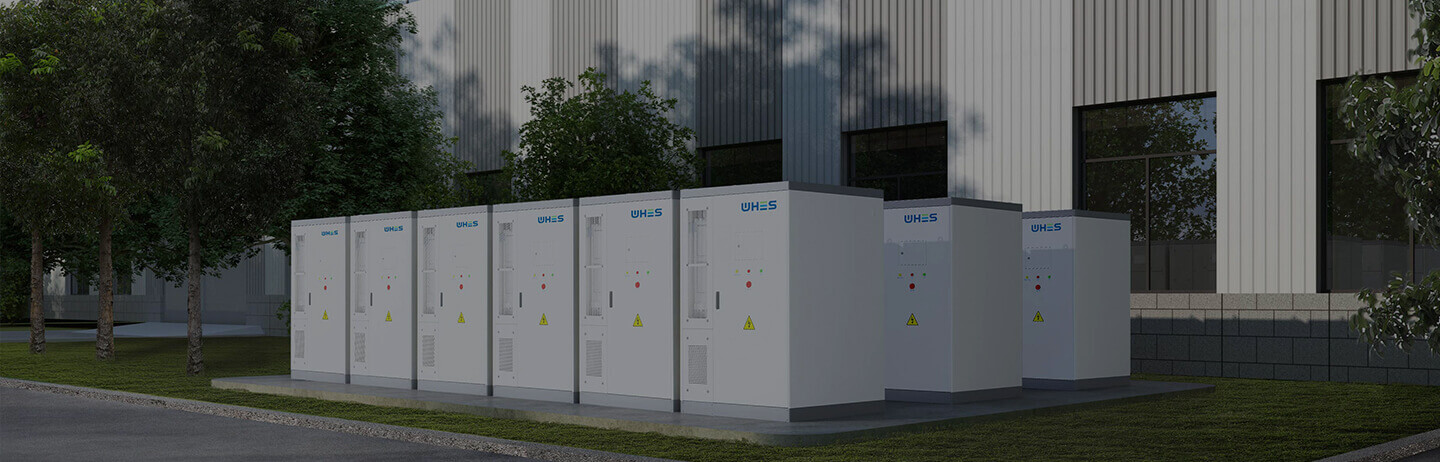
Grid connection has become one of the most critical stages in deploying a commercial battery storage project, often determining both timeline and overall project viability. WHES develops commercial battery storage systems designed to meet evolving grid requirements while supporting stable operation under real-world conditions. As energy users integrate storage with on-site generation and load management, connection standards now directly influence system design, approval processes, and long-term performance.
Technical Compliance and Approval Considerations
Meeting grid code requirements is essential before any commercial battery storage system can be commissioned. These regulations typically define parameters such as voltage control, frequency response, and fault ride-through capability. For commercial battery storage systems, failure to meet these criteria can lead to approval delays or redesign costs. Aligning system specifications with utility expectations early in the project lifecycle helps reduce compliance risks and improves deployment efficiency.
Power Conversion and Integration Challenges
The integration of commercial battery storage systems depends heavily on how effectively the power conversion system manages bidirectional energy flow. In practice, inverter configuration, transformer matching, and control logic must all align with both grid conditions and site load characteristics. A well-designed commercial battery storage solution ensures smooth interaction between storage assets and the grid, avoiding instability or inefficiencies during operation. WHES addresses these challenges through optimized system architecture that simplifies integration while maintaining performance consistency.
Operational Coordination and Grid Interaction
Once connected, a commercial battery storage system must continuously respond to grid conditions and operational requirements. This includes real-time monitoring, dispatch responsiveness, and coordination with utility signals. In many cases, commercial battery storage systems are expected to support applications such as peak demand management or backup supply without compromising grid stability. WHES integrates intelligent control capabilities that allow systems to adapt to changing conditions, helping maintain reliable operation while supporting broader energy management objectives.