
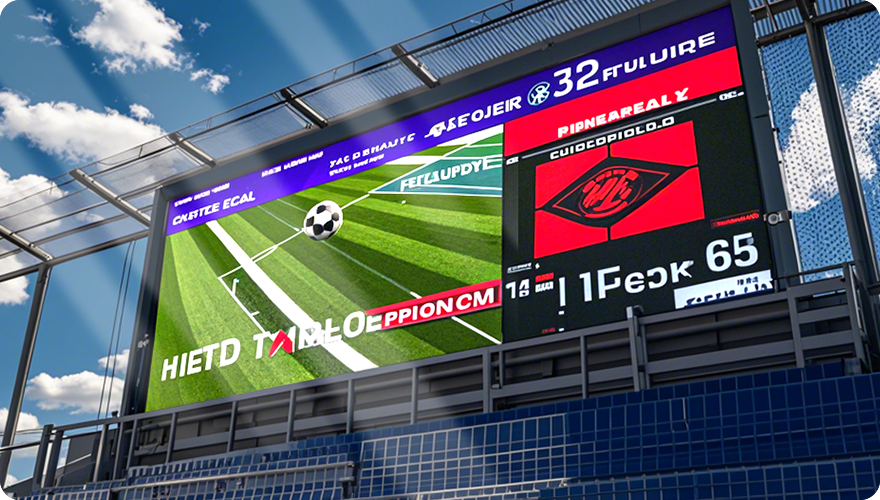
The large display suspended at the center of many sports venues is commonly known as an arena LED screen. It serves as a multifunctional visual hub, presenting live footage, scoring updates, and commercial messages to audiences seated across different angles. When companies like Retop supply such systems, they design them to provide clear visuals that remain sharp even in dynamic indoor environments. This type of screen is distinct from outdoor LED screens for stadium, which are built to withstand sunlight and weather exposure. In an arena setting, the rotational placement and optimal height ensure all spectators can view essential information without obstruction, making the structure both a functional tool and a focal point.
Visual Functions and Technical Considerations
An arena LED screen must operate reliably in fast-paced event environments where lighting conditions change rapidly. They often integrate multiple display faces to synchronously show content to every section of the audience. While different from outdoor LED screens for stadium, these systems still require robust engineering to handle long operating hours and heavy usage cycles. Retop’s SP-E Sports Complex LED Indicator is an example of how they apply their long-term technical resources into practical solutions. With 12,000 nits of brightness, this model provides outstanding visibility and keeps visuals crisp even when installed in perimeter areas exposed to strong ambient light. This balance of clarity and durability reflects the company’s experience in delivering stable performance across various applications.
Application Scenarios and Customization Needs
Different arenas demand different screen dimensions, resolution levels, and content control systems. This is where the design principles differ significantly from outdoor LED screens for stadium, which must prioritize environmental resistance. For indoor central displays, precise engineering is required to ensure uniform brightness and smooth playback. An arena LED screen also needs to sync seamlessly with scoring systems, timing devices, and live broadcast equipment. Retop’s long-developed resource base allows them to offer customized structures and testing processes, including vibration and electrical safety checks, ensuring the SP-E model fits complex venue requirements while maintaining consistent image quality.
Conclusion: Role and Value of the Arena Screen
In summary, an arena LED screen functions as the central visual platform that supports audience engagement, real-time information delivery, and multimedia presentation within indoor sports venues. Although it differs from outdoor LED screens for stadium in structure and environmental tolerance, both display types rely on reliable technology and well-organized production systems. By incorporating models such as Retop’s SP-E Sports Complex LED Indicator, venues can maintain strong visibility and dependable performance during events of varying scales.