
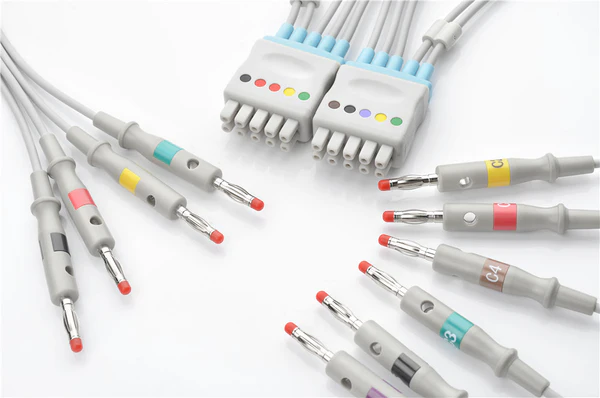
In the healthcare industry, maintaining strict safety standards is essential. Devices and accessories used in clinical environments must meet rigorous regulatory requirements to protect patients and medical professionals. For manufacturers such as Unimed, the focus on biocompatibility for components like external cables for medical equipment and medical device sensors is a critical aspect of product quality and regulatory compliance.
Why Biocompatibility Matters for External Cables and Sensors
External cables for medical equipment are often in close proximity to patients and clinical environments where sterile conditions are required. Although these cables might not contact patient tissue directly, they still need materials that resist contamination and do not interfere with the safe operation of medical systems. Similarly, medical device sensors, whether used for monitoring vital signs or supporting diagnostic tools, must maintain stable performance without causing adverse reactions due to material interaction.
Biocompatibility testing evaluates how materials behave in contact with biological environments. For components used near patients, this process ensures that chemicals do not leach from cables or sensors, cause irritation, or otherwise compromise patient safety. Compliance with international standards such as ISO 10993 provides confidence that these products can be used safely within clinical settings.
Best Practices for Achieving Compliance
Achieving biocompatibility compliance for external cables for medical equipment starts with careful material selection. Components must be evaluated for their chemical and physical properties, ensuring they remain stable under various conditions of use. This includes resistance to cleaning agents, sterilization processes, and prolonged exposure to bodily fluids or skin contact.
Testing protocols involve multiple stages, from in vitro assays to evaluate cytotoxicity to more advanced assessments depending on the intended use of the product. For medical device sensors that may come into closer contact with patients, additional evaluation ensures that sensor housings and connection interfaces are safe and reliable.
Documentation is another key aspect of compliance. Comprehensive records of material specifications, testing results, and quality control processes not only support regulatory submissions but also provide traceability throughout the product lifecycle.
Conclusion
Biocompatibility compliance for external cables for medical equipment and medical device sensors plays a vital role in product safety and effectiveness. By adhering to established standards and focusing on thoughtful design and testing, manufacturers like Unimed support healthcare providers with components that contribute to safe, dependable patient care.